 By admin
Picture a quiet Tuesday morning at a high-rise office block in Melbourne’s CBD. The facility manager is reviewing the quarterly budget, feeling a sense of satisfaction after pushing back the scheduled drain jetting and pipe inspections for another six months. On paper, it looks like a win: a few thousand dollars saved that can be diverted to a lobby upgrade or simply kept as a buffer. But beneath the concrete slab and behind the drywall, there’s minor blockage in the main stack, which a routine inspection would have cleared in an hour, is slowly compacting. By Friday afternoon, during peak occupancy, that blockage causes a sewage backup that floods the ground floor retail space, ruins the elevator pits, and forces an emergency evacuation.
The “savings” from that deferred maintenance have just been swallowed by a repair bill ten times the original quote, not to mention the looming insurance claims and furious tenants. For facility managers, skipping plumbing maintenance is a high-stakes gamble where the house always wins.
In commercial operations, there’s a massive gulf between planned and reactive spending. When you schedule routine maintenance, you’re operating on your own terms. You choose the time, you control the scope of work, and you pay standard labor rates. However, plumbing systems have a knack for failing at the most inconvenient moments (usually at 2:00 AM on a public holiday or during a heatwave when the HVAC’s condensate lines are working overtime).
Emergency call-out fees are notoriously steep, often doubling or tripling the standard hourly rate. Furthermore, parts that would have been sourced affordably during a scheduled service must now be courier-delivered at a premium or substituted with whatever is available in the van.
The true sting, however, is the lack of competitive bidding. When a pipe has burst and is ruining your server room, you don’t have the luxury of shopping around for three quotes. You pay whatever the first available technician asks for emergency plumbing, turning a minor upkeep task into a significant capital drain. This is precisely why investing in reliable commercial plumbing maintenance Melbourne or similar solutions nearest your area before any crisis strikes is always the smarter financial decision.
Melbourne’s regulatory environment for commercial properties is rigorous, and for good reason. Systems like backflow prevention devices and thermostatic mixing valves (TMV) are legal requirements under Victorian plumbing regulations, making routine backflow testing an essential line of defence against both health hazards and legal exposure. Skipping the annual testing of these components creates a massive liability window.
If a faulty TMV fails and causes a scalding injury to a tenant or a member of the public, the facility manager can’t simply plead ignorance. The first thing a legal team or WorkSafe inspector will ask for is the maintenance logbook. If that logbook is empty, the property owner is exposed to massive fines and potential litigation.
This extends to fire protection systems as well. Many commercial plumbing contracts overlook the hydrants and hose reels that are vital for building safety, along with the condition of the water lines that feed them. A failure here could mean an insurance company refusing to pay out after a fire because the building was technically non-compliant at the time of the incident. In the eyes of the law and the insurer, a lack of a maintenance record is often equated with negligence.
Not all plumbing failures result in a dramatic flood. Some of the most expensive hidden costs are the ones that occur slowly and silently. A water leak from a pinhole in a copper line or a hairline crack in a stack may only lose a few hundred milliliters of water a day, but over months, this moisture saturates the building’s fabric. In Melbourne’s varying climate, this trapped moisture becomes a breeding ground for black mould, which can spread through HVAC ducts and compromise the air quality of the entire floor. Remediating mould is a specialized, incredibly expensive process that often requires tearing out cabinetry and wall linings.
Beyond the health risks, constant moisture weakens the structural integrity of timber framing and can cause concrete cancer or spalling in reinforced concrete slabs. By the time a damp patch appears on a ceiling, the internal damage is often already five figures deep. Regular ultrasonic leak detection and thermal imaging, staples of a professional maintenance program, catch these issues when they’re still five-dollar fixes.
Nothing sours a landlord-tenant relationship faster than recurring plumbing issues. A neglected sewer line, for instance, can back up without warning, creating health hazards and forcing immediate closures. When a restaurant has to shut for a day because the grease traps overflowed, drain cleaning that was deferred to save a few dollars ends up costing exponentially more in lost revenue and strained relationships. In office environments, clogged drains and “out of order” signs on toilets for days on end signal a building that is poorly managed. This leads to tenant churn, which is the single biggest cost for the business.
The expense of finding a new tenant, paying leasing commissions, and offering fit-out incentives far outweighs the cost of a decade’s worth of plumbing maintenance. In an age of online reviews and professional networking, a building that develops a reputation for dodgy utilities will find it increasingly difficult to attract high-quality, long-term occupants who are willing to pay top-market rates.
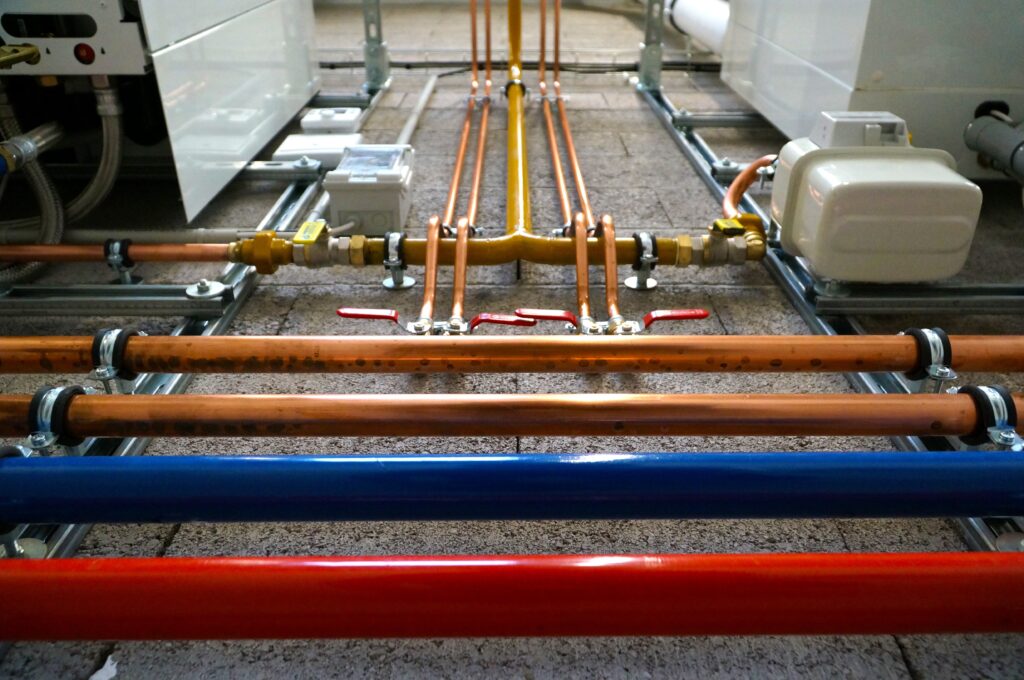
Avoiding these downstream disasters requires a structured, asset-based approach. The first step is a comprehensive audit of every plumbing asset on-site, covering everything from water heaters to pump stations and roof gutters. Each piece of equipment should be assessed for its service history, and any repair ought to be flagged and scheduled proactively rather than left until a breakdown forces the issue. Plumbing repairs of any scale are always cheaper when planned. The goal is to create a living document that dictates action rather than reacting to crises.
Ensuring water flows consistently and at the correct pressure throughout the building should be a measurable benchmark within this program, as pressure anomalies are often the earliest indicator of a developing fault. It’s also vital to have access to a reliable emergency service provider for situations that simply can’t wait, while simultaneously ensuring that sewer lines and the wider sewerage system are inspected and cleared on a scheduled cycle to reduce the likelihood of those emergencies occurring in the first place.
Comprehensive commercial plumbing solutions tie all of these elements together, covering everything from routine installation and repair work to long-term asset planning. It’s also vital to partner with a specialist provider who understands the specific pressures of the Melbourne commercial landscape, someone who knows the local council requirements and the quirks of older CBD infrastructure.
This framework should be integrated into the building’s broader operational budget, treating plumbing as a critical infrastructure investment rather than a negotiable overhead.
The decision to maintain or neglect a commercial plumbing system serves as a definitive test of a facility manager’s long-term vision. While it may be tempting to strike a line item from today’s budget to meet a monthly target, it is far more difficult to justify a catastrophic failure to a board of directors or a property owner later in the year. By shifting the perspective from saving money to protecting value,” operations managers ensure their buildings remain safe, compliant, and profitable.
To ensure your property remains protected and compliant, it’s essential to partner with experts who understand the unique demands of the local landscape. Secure your facility’s operational future by booking solutions like commercial plumbing maintenance Melbourne today to prevent minor issues from becoming major liabilities.